Introduction
In today’s digital-first world, brands face a critical question: Should they invest more in social media marketing (SMM) or search engine optimization (SEO)? Both strategies drive traffic, engagement, and conversions—but they work in fundamentally different ways.
With [X years] of experience in digital marketing, I’ve helped businesses navigate this debate. The truth? There’s no one-size-fits-all answer. The right choice depends on your industry, audience, and business goals.
In this article, we’ll break down the key differences, strengths, and weaknesses of SMM and SEO, backed by real-world examples, so you can make an informed decision for your brand.
What Is Social Media Marketing (SMM)?

Social Media Marketing involves promoting content, products, or services on platforms like Facebook, Instagram, LinkedIn, TikTok, and X (Twitter) to engage audiences and drive brand awareness.
Key Advantages of SMM:
✅ Fast Results: Paid ads and viral content can generate immediate traffic.
✅ Direct Engagement: Builds relationships through comments, DMs, and shares.
✅ Visual & Interactive: Great for brands with strong visual appeal (e.g., fashion, food).
Limitations of SMM:
❌ Algorithm Dependence: Platforms control reach (organic posts may get buried).
❌ Short Lifespan: Content disappears quickly (e.g., Instagram Stories last 24 hours).
Case Study: Glossier built a cult-like following through Instagram and UGC (user-generated content), proving SMM’s power for lifestyle brands.
What Is Search Engine Optimization (SEO)?
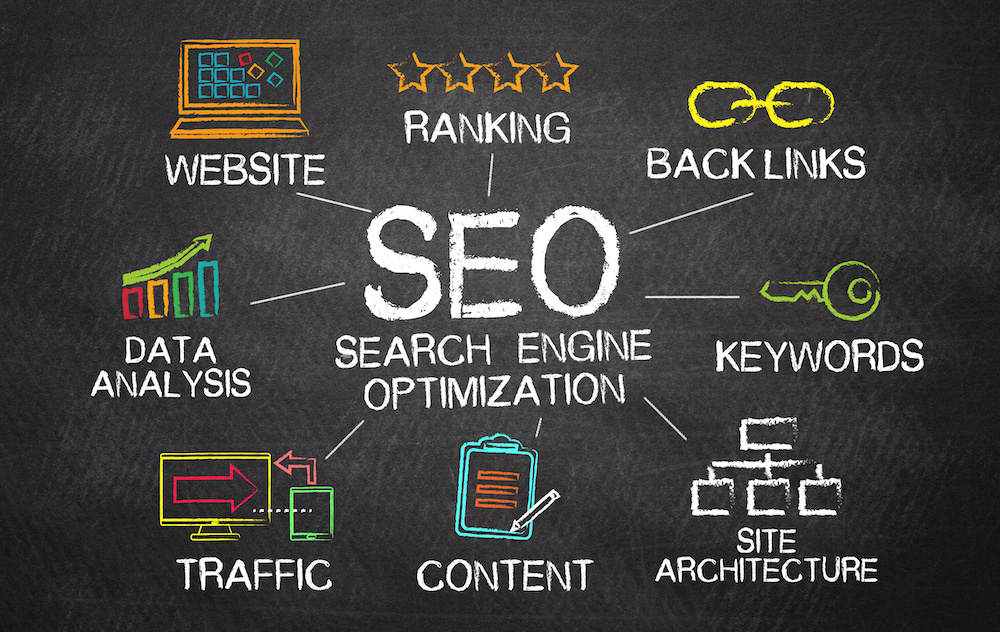
SEO is the process of optimizing your website to rank higher on Google and other search engines for relevant keywords. It includes:
On-page SEO (content, meta tags, internal links)
Off-page SEO (backlinks, guest posts)
Technical SEO (site speed, mobile-friendliness)
Key Advantages of SEO:
✅ Long-Term Traffic: High-ranking pages generate consistent, free traffic for years.
✅ High Intent Audience: Users searching on Google are often ready to buy.
✅ Authority Building: Strong SEO establishes credibility in your niche.
Limitations of SEO:
❌ Slow Results: Takes 3-12 months to see rankings improve.
❌ Constant Updates: Google’s algorithm changes require ongoing adjustments.
Case Study: Backlinko’s SEO-focused strategy helped it dominate search rankings for “SEO tips,” driving millions of visitors without paid ads.
Key Differences: SMM vs. SEO
| Factor | Social Media Marketing | SEO |
| Speed of Results | Fast (hours/days) | Slow (months/years) |
| Traffic Quality | Broad, brand-focused | High-intent, conversion-ready |
| Cost | Can be expensive (ads) | Free organic traffic (after ranking) |
| Lifespan of Content | Short (hours/days) | Long (years if maintained) |
Expert Insight:
B2C brands (e.g., fashion, food) often thrive on SMM.
B2B and service-based businesses (e.g., SaaS, law firms) benefit more from SEO.
When Should You Prioritize Social Media Marketing?

✔ You sell visually appealing products (e.g., fashion, beauty, food).
✔ Your audience is young (Gen Z, Millennials).
✔ You need quick sales or launches (e.g., flash sales).
Example: Fashion brand Fashion Nova grew to $400M+ in revenue primarily through Instagram influencers and viral posts.
When Should You Prioritize SEO?
✔ You offer high-value services (e.g., consulting, legal, SaaS).
✔ Your customers research before buying (e.g., “best CRM software”).
✔ You want sustainable, long-term traffic.
Example: HubSpot dominates SEO for marketing-related keywords, generating millions in leads annually.
The Best Strategy? Combine Both!
![How to Prioritize SEO Tasks [+Worksheet] - Moz](https://moz-static.moz.com/youmoz_uploads/prioritize-seo-tasks/59c354a0d87b53.11641736.png)
The most successful brands use SEO and SMM together:
Social media drives short-term buzz.
SEO builds lasting authority.
Pro Tip:
Repurpose blog content into social media snippets.
Use social signals (shares, backlinks) to boost SEO rankings.
Example: Neil Patel leverages LinkedIn and Twitter to promote his SEO blog, creating a virtuous cycle of traffic.
Final Verdict: Which Is Better for Your Brand?
Choose SMM if… You need fast engagement and have a visually-driven product.
Choose SEO if… You want steady, high-intent traffic and long-term growth.
Best Option? A balanced strategy that leverages both for maximum impact.
Key Takeaways:
✅ SMM = Quick wins, engagement, brand awareness.
✅ SEO = Sustainable traffic, authority, conversions.
✅ The winning formula? Use both strategically.
What’s your experience with SMM vs. SEO? Let’s discuss in the comments!
Pingback: Transform Your Brand Instantly: 50 Pro Facebook Cover Templates to Elevate Your Profile - Tech Blogify